Address
Sakiet Ezzit 3021, Sfax, Tunisia
Work Hours
Monday to Friday: 8AM -5PM
Address
Sakiet Ezzit 3021, Sfax, Tunisia
Work Hours
Monday to Friday: 8AM -5PM
 ByRania
A practical B2B guide for retailers, brands & hospitality buyers
The global demand for olive wood products has grown significantly in recent years. Retailers, hospitality groups, concept stores, and e-commerce brands are increasingly turning to olive wood for its durability, unique grain patterns, natural antibacterial properties, and strong connection to sustainability and craftsmanship. As consumer awareness grows, buyers are no longer just looking for “wooden products” — they are actively searching for authentic, responsibly sourced olive wood with a clear origin story.
This growing demand also means that the market has become more complex. Not all olive wood is sourced ethically, not all suppliers control their production processes, and not all manufacturers are equipped to support long-term B2B partnerships. Choosing the wrong olive wood wholesale supplier can lead to inconsistent quality, cracking or warping issues, delayed deliveries, compliance risks, and ultimately damage to your brand reputation.
For B2B buyers, olive wood is not an impulse purchase. It is a material that reflects values: sustainability, craftsmanship, and premium positioning. Whether you are sourcing olive wood cutting boards, bowls, serving accessories, or private label collections, your supplier becomes an extension of your brand. Their sourcing practices, production standards, and reliability directly impact your customer experience.
This guide is designed to help you make an informed decision. Below, we break down the most important criteria to consider when selecting a reliable olive wood wholesale supplier, especially if you are sourcing from producing countries such as Tunisia, Spain, Italy, or Greece. By understanding these key factors, you can reduce risk, improve consistency, and build a supplier relationship that supports long-term growth.
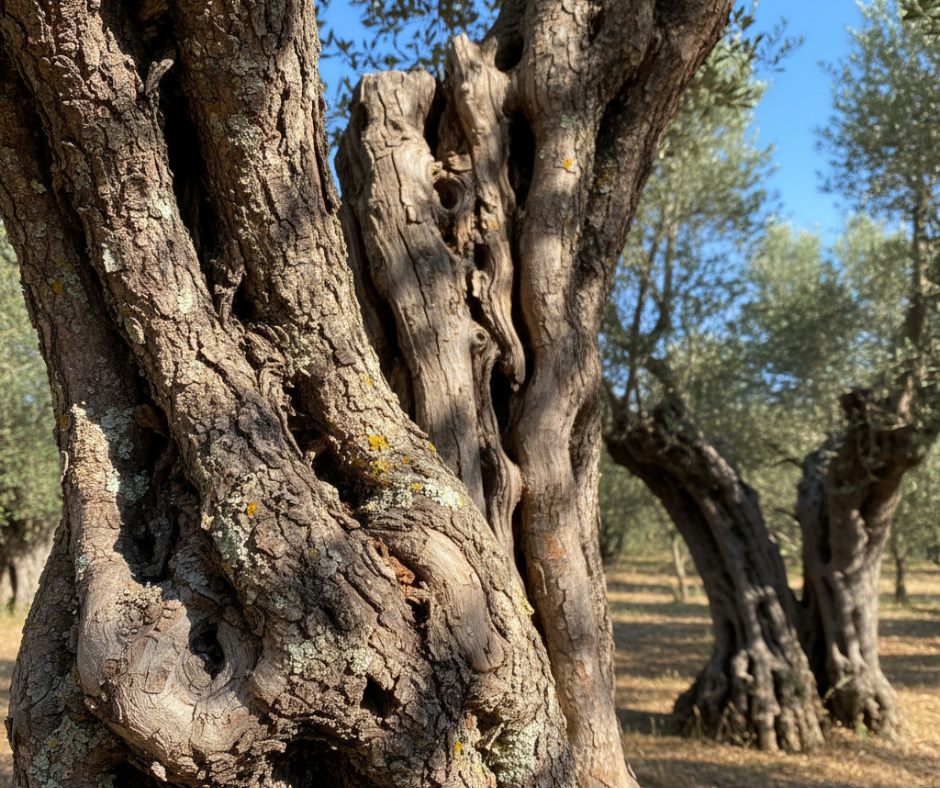


Not all olive wood is equal. The origin determines grain density, durability, and sustainability.
What to check:
Why it matters:
Responsible sourcing is a top search trend and a key requirement for EU and international buyers. So choosing the right olive wood wholesale supplier is as much as important.

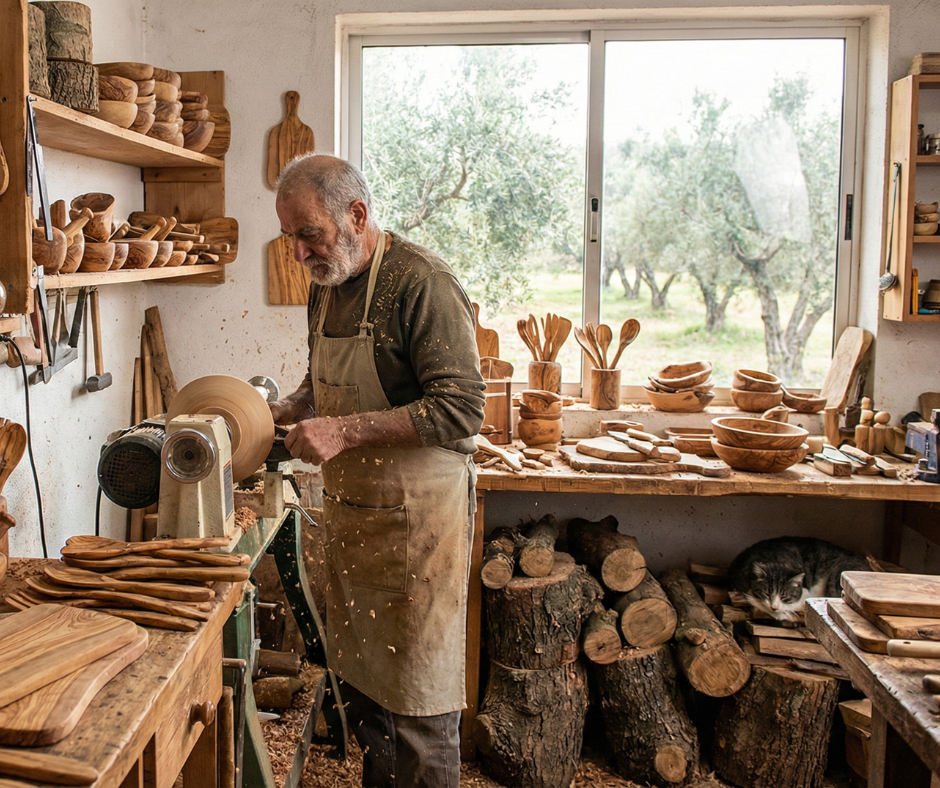
A reliable olive wood products supplier should control the full production process.
Key indicators:
Tip: Poor finishing leads to cracking, warping, and returns—especially in dry climates.
A strong olive wood wholesale supplier should offer both variety and consistency.
Look for:
This ensures you can grow without changing suppliers.
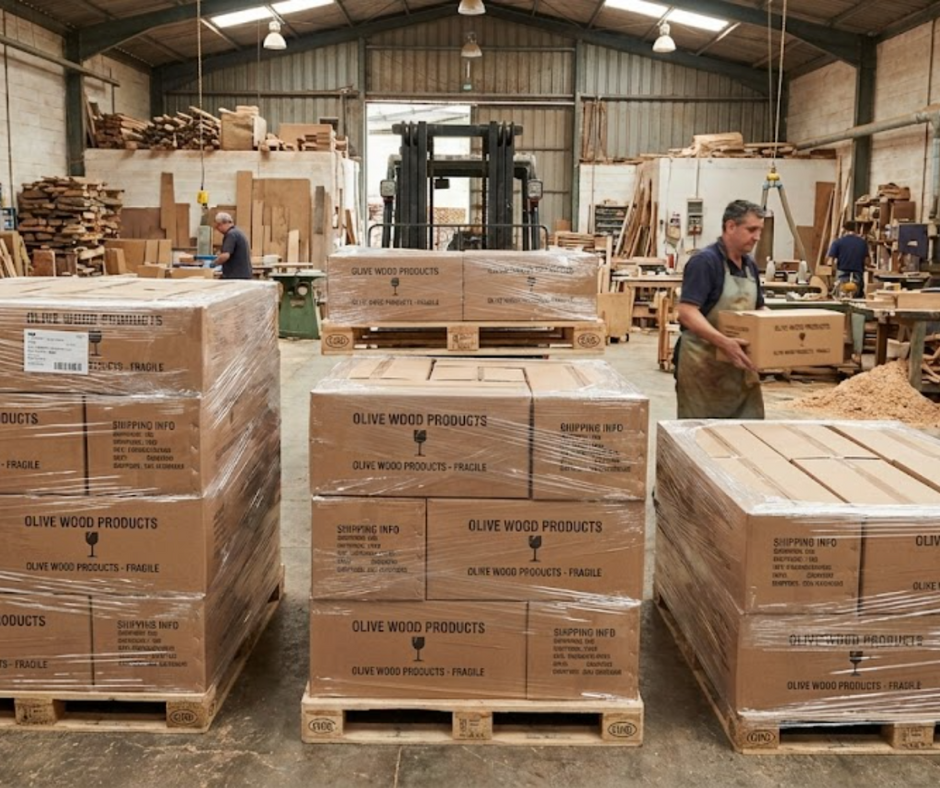
Customization is one of the most searched B2B keywords in olive wood sourcing.
Ask if they offer:
A supplier who supports branding helps you differentiate—not compete on price alone.
Professional suppliers clearly define their commercial terms.
Make sure you understand:
Transparency here is a strong indicator of long-term reliability.
Olive wood is a natural product and requires export know-how.
Your supplier should be familiar with:
An experienced olive wood export supplier saves you time, cost, and risk.

Finally, validate trust.
Check:
Consistency is more valuable than one perfect sample.
Choosing the right olive wood wholesale supplier goes beyond price. Focus on sourcing ethics, craftsmanship, customization, and export reliability. A strong supplier becomes a long-term partner—supporting your growth, brand positioning, and customer satisfaction.