Address
Sakiet Ezzit 3021, Sfax, Tunisia
Work Hours
Monday to Friday: 8AM -5PM
Address
Sakiet Ezzit 3021, Sfax, Tunisia
Work Hours
Monday to Friday: 8AM -5PM
 ByRania
In recent years, more households have started rethinking the materials they use in their kitchens. Health, sustainability, and durability are now just as important as design. Among natural alternatives to plastic and synthetic tools, olive wood kitchen utensils stand out for their exceptional quality, safety, and timeless appeal.
Rooted in Mediterranean tradition, olive wood products combine craftsmanship with responsible sourcing—making them a smart choice for modern kitchens that value authenticity and longevity.
Olive wood is not harvested through deforestation. It comes from olive trees that have reached the end of their fruit-bearing cycle or from regular pruning. This makes olive wood one of the most sustainable materials used in kitchenware today.
By choosing wooden kitchen utensils made from olive wood, consumers actively reduce their environmental footprint while supporting a circular use of natural resources.
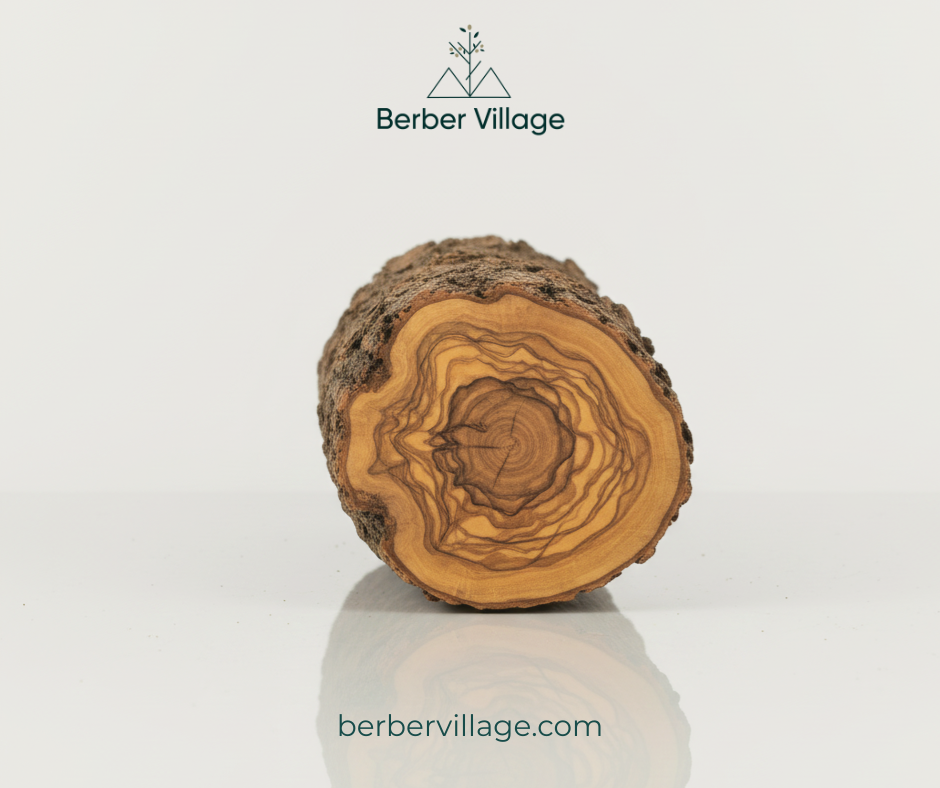
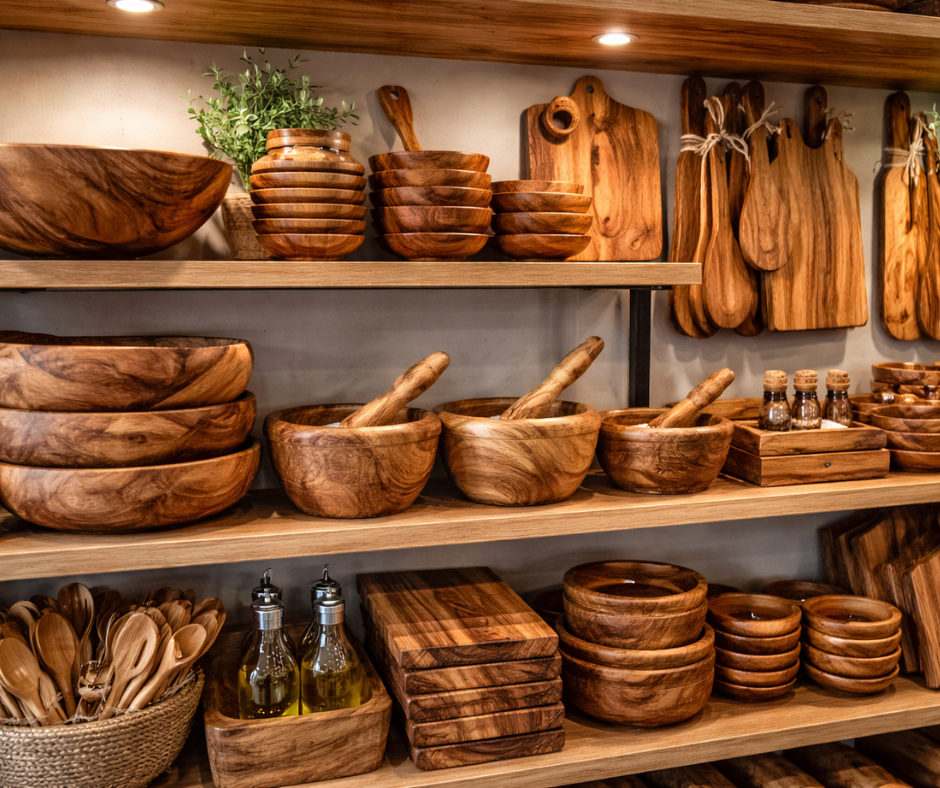
One of the most important advantages of olive wood is its natural resistance to bacteria. Thanks to its dense structure and natural compounds, olive wood inhibits bacterial growth far better than plastic or low-quality wood.
This makes olive wood spoons, spatulas, salad servers, and turners especially suitable for daily food preparation and contact with fresh ingredients.
Olive wood is known as one of the hardest woods used for kitchen tools. It resists cracking, absorbs very little moisture, and holds its shape even with frequent use.
Unlike plastic utensils that melt or deform over time, olive wood kitchen tools remain reliable for years—often decades—when properly cared for.
Modern kitchens often rely on delicate non-stick pans and cookware. Olive wood utensils are naturally smooth and gentle, preventing scratches and surface damage.
This makes them an ideal companion for high-quality cookware, ensuring both tools and pans maintain their lifespan.
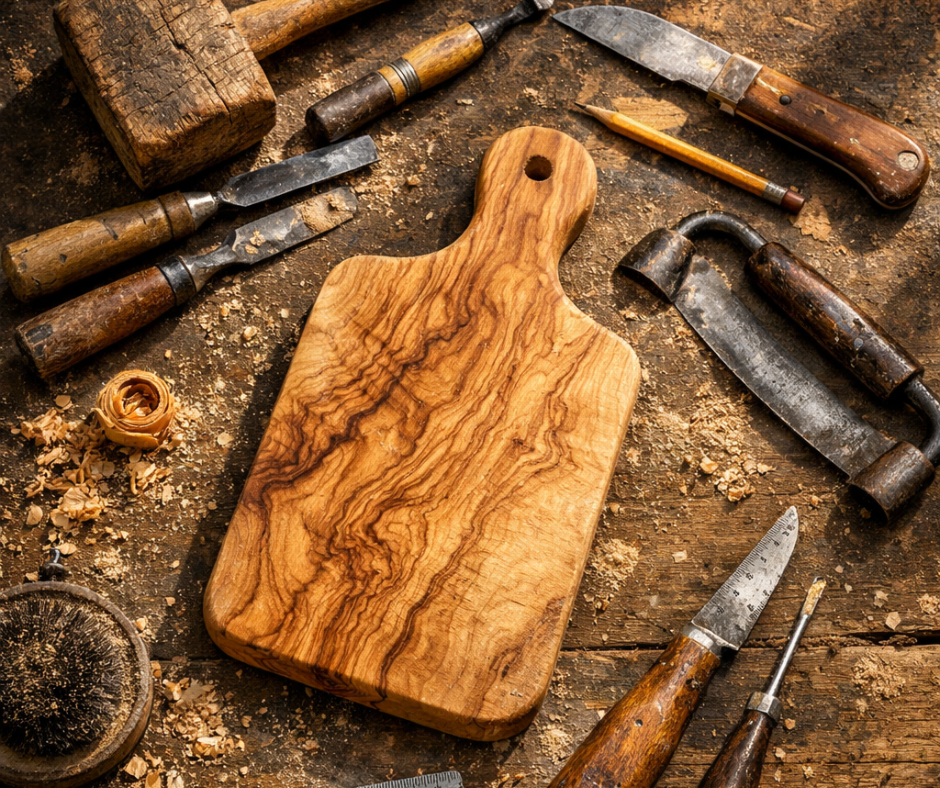
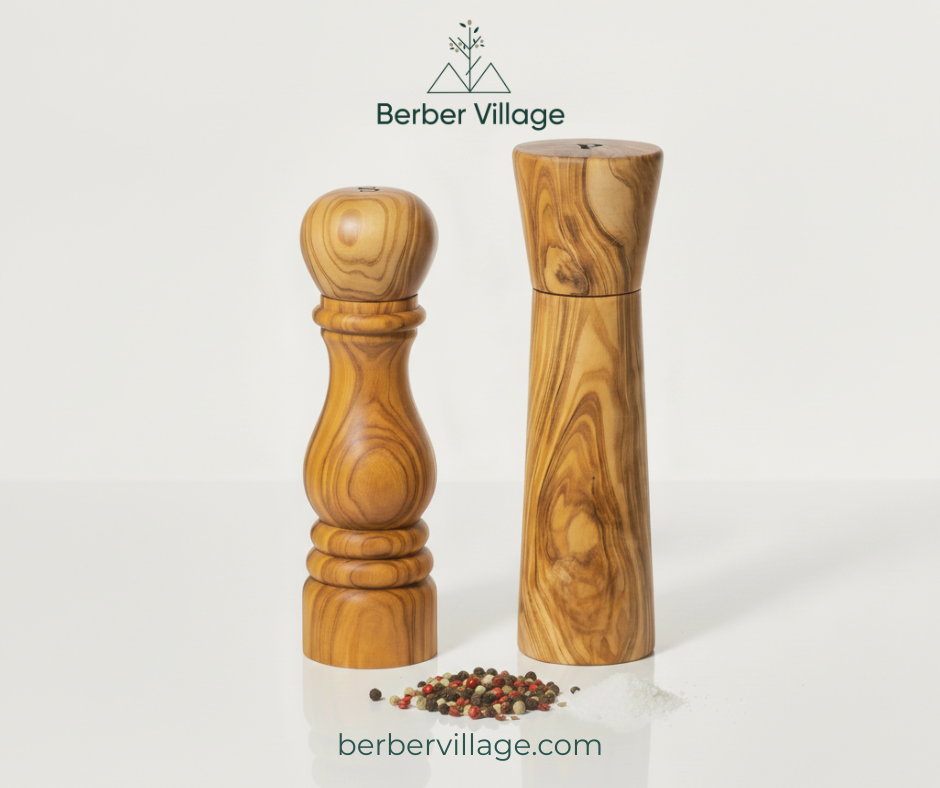
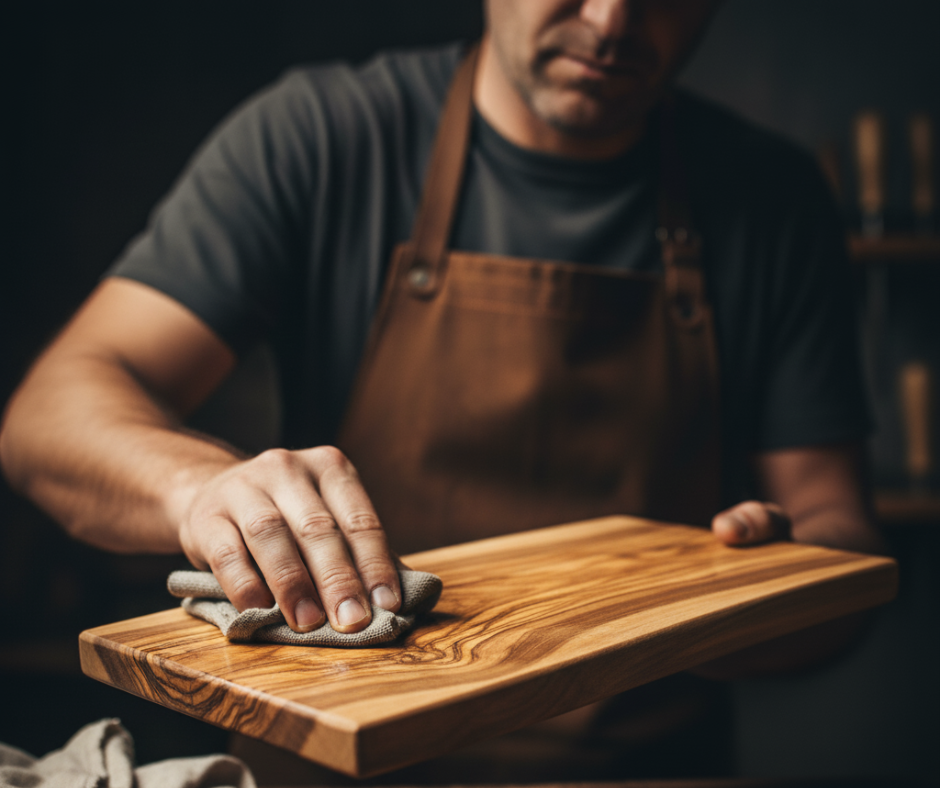
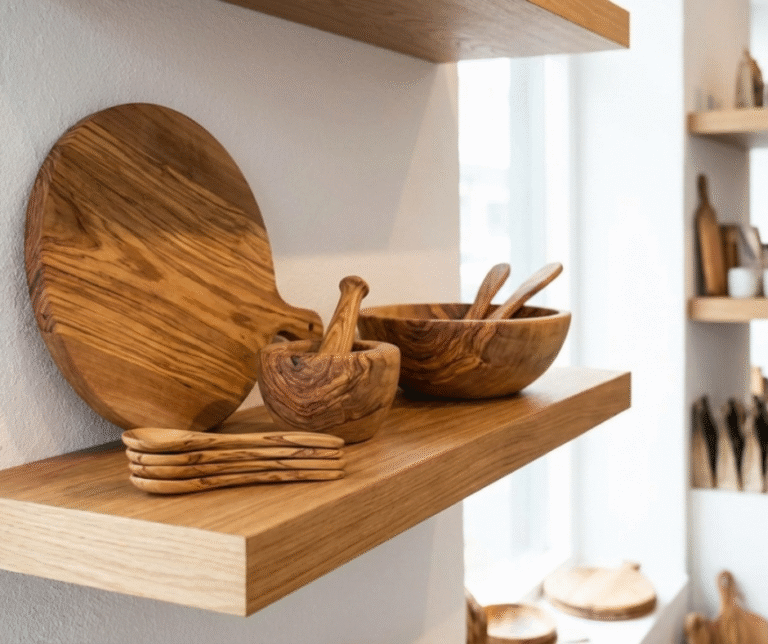
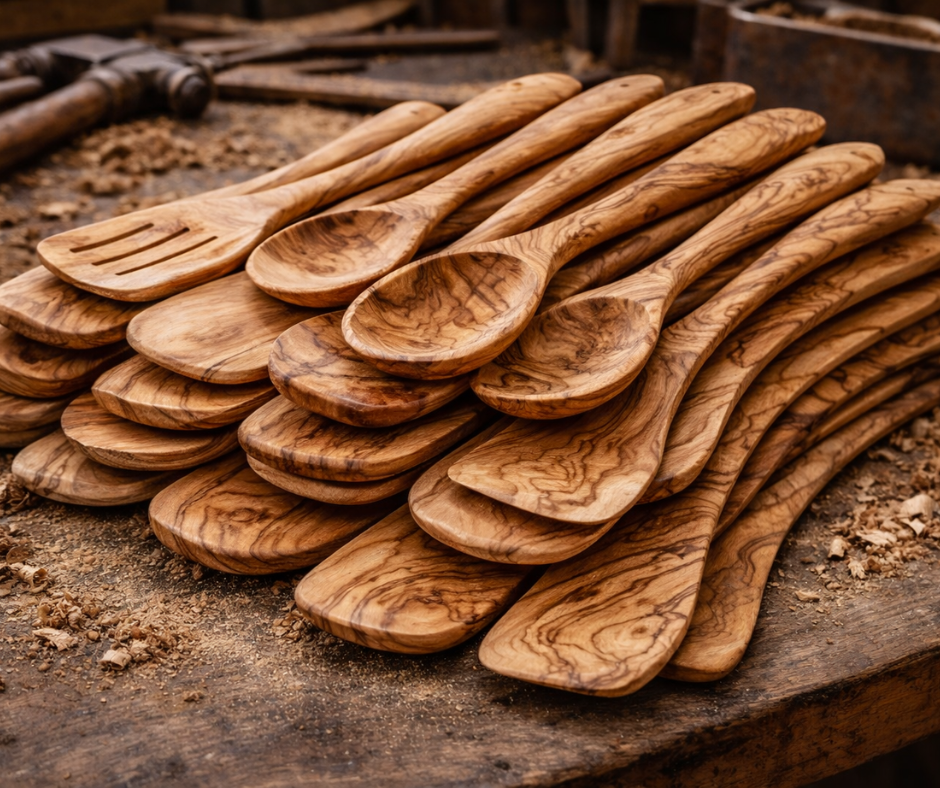
No two olive wood pieces look alike. Each utensil features distinctive grain patterns shaped by the tree’s age, climate, and soil. These organic variations give olive wood utensils a warm, authentic appearance that synthetic materials simply can’t replicate.
Beyond functionality, they add a touch of Mediterranean elegance to any kitchen.
Plastic kitchen tools can release microplastics and chemicals when exposed to heat. Natural kitchen utensils made from olive wood contain no toxins, no coatings, and no artificial materials.
This makes them a healthier option for families seeking safer, chemical-free cooking environments.
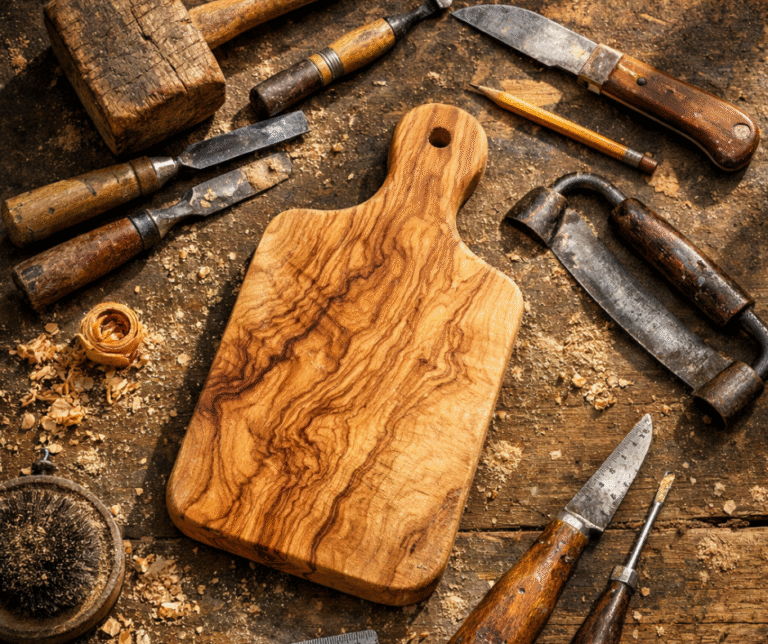
At The Berber Village, olive wood products are shaped by skilled artisans who respect traditional methods. Each piece is cut, sanded, and finished by hand—never rushed, never mass-produced.
This approach preserves cultural heritage while delivering handmade olive wood products designed for real, everyday use.
Proper care ensures long-lasting performance:
With minimal care, olive wood utensils develop a richer patina over time, enhancing both beauty and durability.
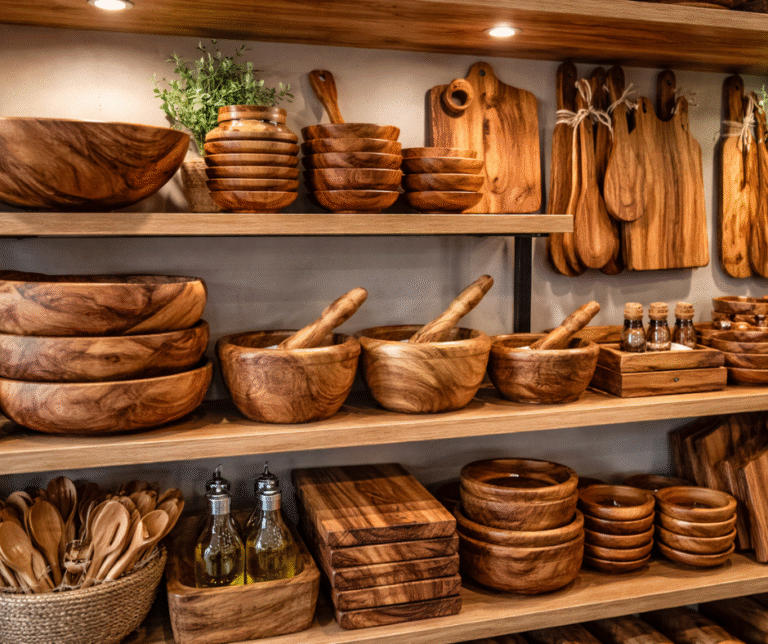
The Berber Village is committed to authenticity, sustainability, and quality. We work directly with local workshops and responsibly sourced olive wood to create kitchen tools that reflect Mediterranean heritage and modern values.
Our philosophy prioritizes:
When you choose olive wood, you choose purpose over disposability.nsils will develop a rich patina over time.
In a world moving away from disposable materials, olive wood kitchen utensils represent a return to quality, authenticity, and sustainability. They are functional tools, design statements, and cultural artifacts all in one.
At The Berber Village, we invite you to experience the beauty of olive wood—crafted by hand, shaped by nature, and made to last.